
Yreka system resiliency
Improving safety and reliability
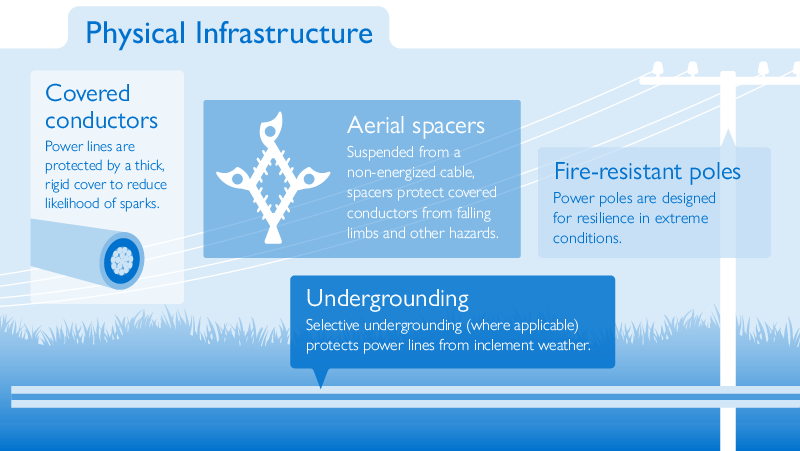
We're creating resilience against wildfire risks in Northern California by strengthening our system with fire-resistant poles, covered lines and advanced technology to keep communities safe.
Since 2020, crews have rebuilt sections of the electrical system near Yreka, including:
- Installing 20 miles of covered conductor
- Replacing 400 poles with non-wood poles
These enhancements will help improve the reliability of our system as we adapt to the growing threat of wildfire in Northern California and the West.
New infrastructure powering Northern California


Projects in Yreka area
- This project is upgrading the safety and reliability of power lines to help prevent wildfire.
- This project is increasing community safety by replacing wooden poles with fire-resistant steel poles, and using covered conductor on power lines, which will significantly reduce wildfire risk.
Local impact
- In Yreka, crews are replacing overhead conductor with covered tree wire and replacing wooden distribution poles and transmission poles with fire-resistant steel structures. See map below.
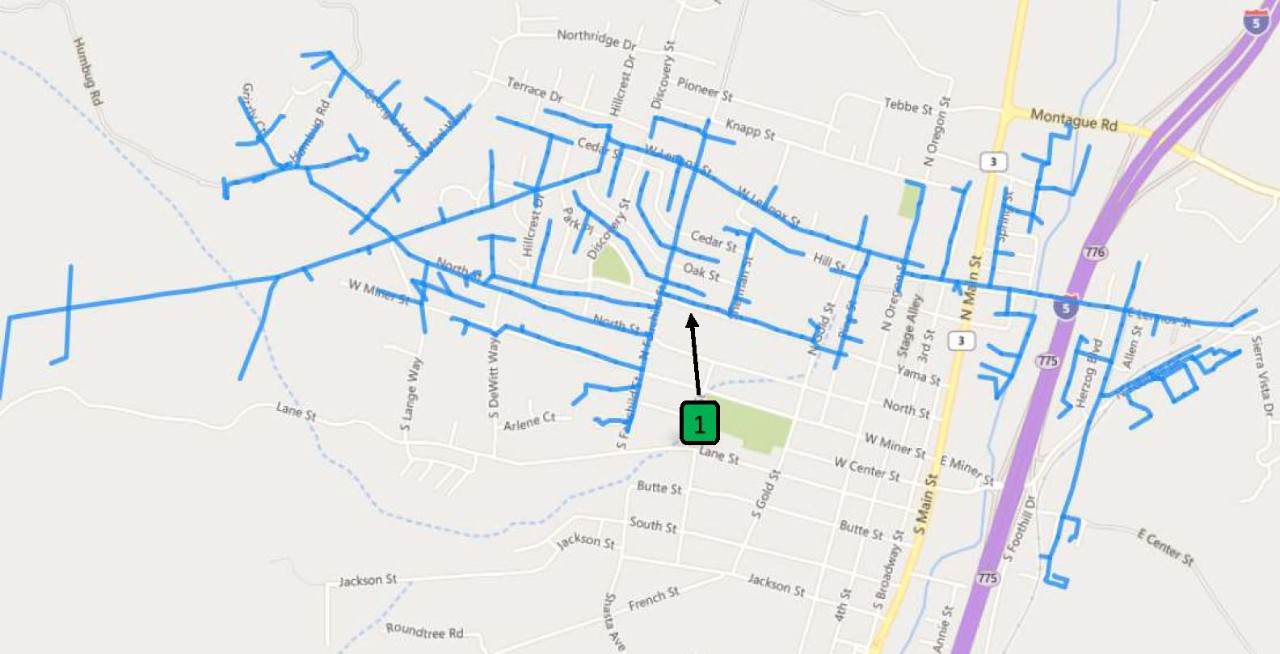
- Pacific Power is working closely with Siskiyou County, the California Department of Transportation, the U.S. Bureau of Land Management, the U.S. Army Corp of Engineers, the U.S. Fish and Wildlife Service and the U.S. Forest Service as well as Yreka Western Railroad and City of Yreka on this project.
More ways we're increasing safety and resilience
Wildfire prevention
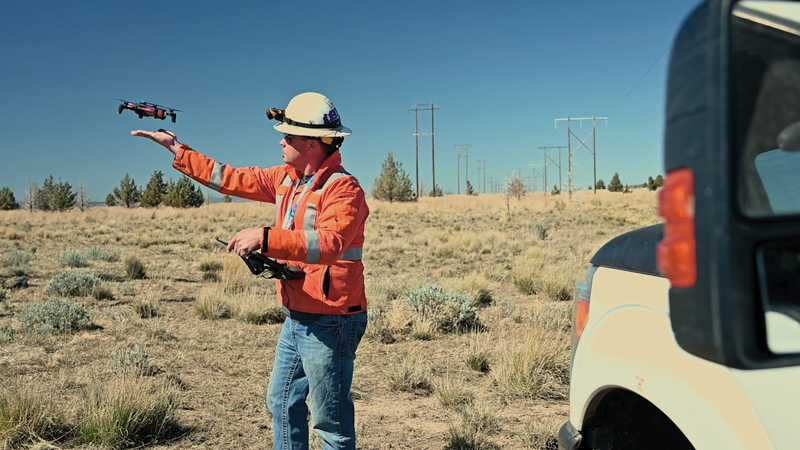
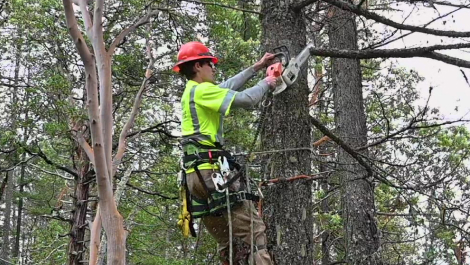
We regularly inspect equipment and manage vegetation around power lines, poles and substations to reduce the chance of sparks or interference.
Advanced technology
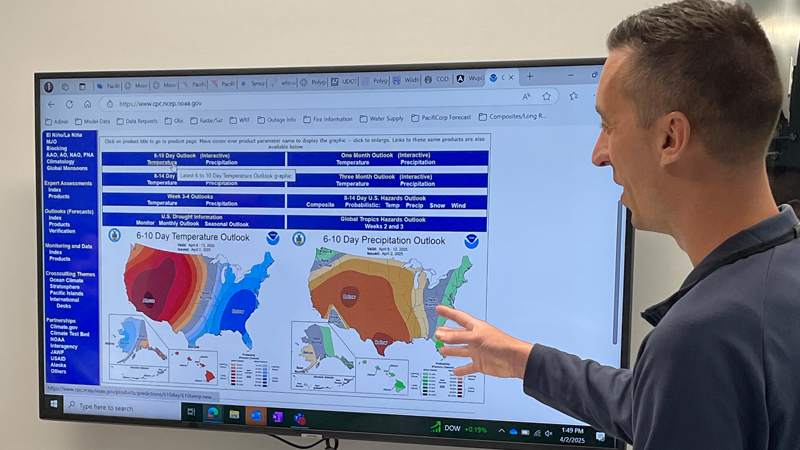
Our expert teams use advanced situational awareness tools and technology to deliver your power safely in all weather.
Vegetation management
We're conducting aerial and ground patrols to identify potential hazards, removing trees before they can come into contact with lines, expanding vegetation clearance around poles and more.