
What happens when it's not sunny or windy?
On cloudy, calm days, it’s natural to wonder how renewable energy keeps flowing. If the sun ducks behind the clouds or the wind slows down, it’s easy to picture solar panels and wind turbines “turning off” altogether. In reality, these resources are part of a larger, flexible grid that’s designed to keep electricity reliable in all kinds of weather, not just on picture-perfect blue-sky days.
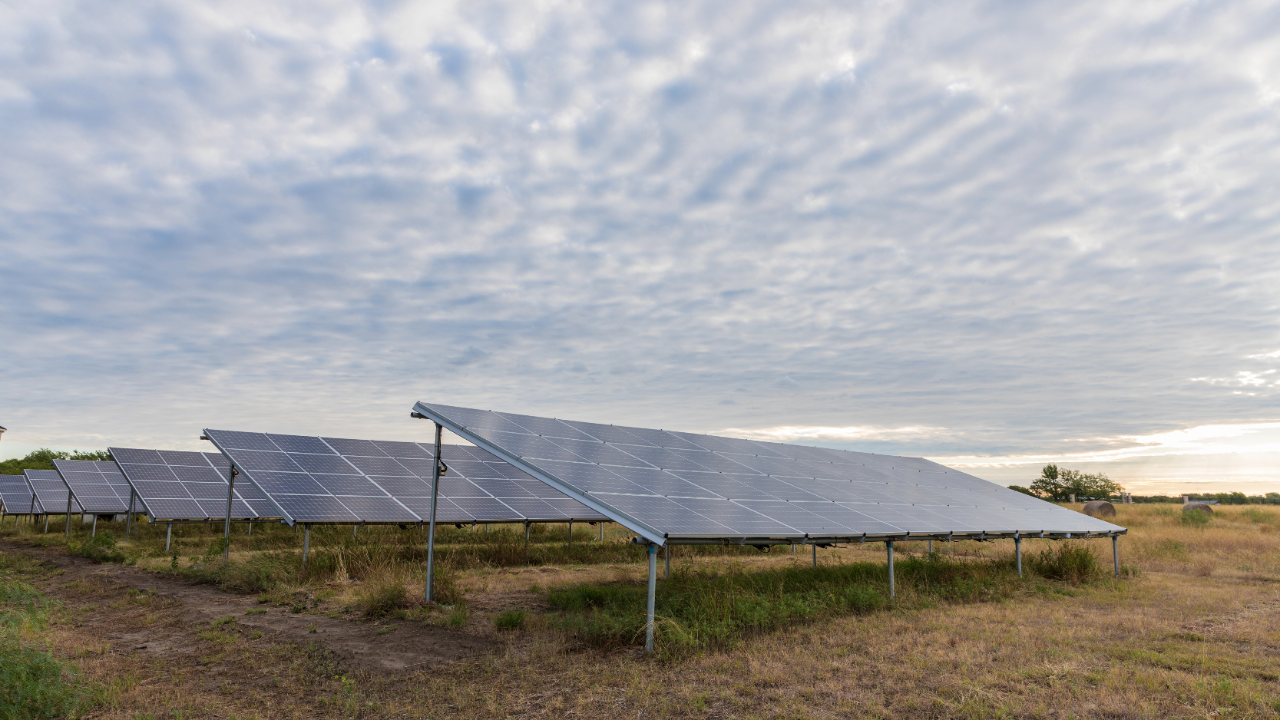
Solar panels generate electricity whenever there is daylight, even when it’s overcast. While bright, sunny days produce the most power, solar panels still capture diffuse sunlight that makes it through the clouds, which means they continue contributing energy to the grid in many different conditions. Similarly, modern wind turbines are designed to operate across a range of wind speeds, so they can generate energy from breezes as well as stronger gusts, only shutting down when winds are either much too low or exceptionally high for safety.
No single energy source works at full strength all the time. That’s why the grid relies on a mix of resources that complement one another. Coal, hydro, natural gas and other resources can ramp up or down to balance changes in output depending on the current demands on the grid, helping keep electricity flowing to homes and businesses around the clock.
Technology is making this balancing act smarter and more efficient. Advanced forecasting tools help grid operators predict when the wind will pick up or when a cloudy stretch will move through, so they can schedule resources in advance and reduce waste. At the same time, growing investments in batteries and other storage technologies make it possible to store renewable energy when production is high and send it back to the grid when it is needed most, including in the evening or during a lull in wind.
Utilities also work together to share resources across huge geographic areas. PacifiCorp (Pacific Power's parent company) and 23 other entities work together through the Western Energy Imbalance Market to connect their systems and buy and sell power across the Western U.S. and Canada. So, if the sun is shining in Arizona and wind is blowing in the Pacific Northwest, the market can send extra power from renewable resources to where it's needed in other regions. Together, these 24 partners have saved over $9 billion through market efficiencies, including $1.2 billion which PacifiCorp has passed on to its customers.
As a Blue Sky participant, you’re helping accelerate the transition to a cleaner, more flexible grid. By choosing to support renewable energy, you are driving demand for projects that add wind and solar resources to the regional mix. Together, we’re building an energy future that works in real-world conditions, whether that be on bright summer afternoons, quiet winter mornings or all the days in between.